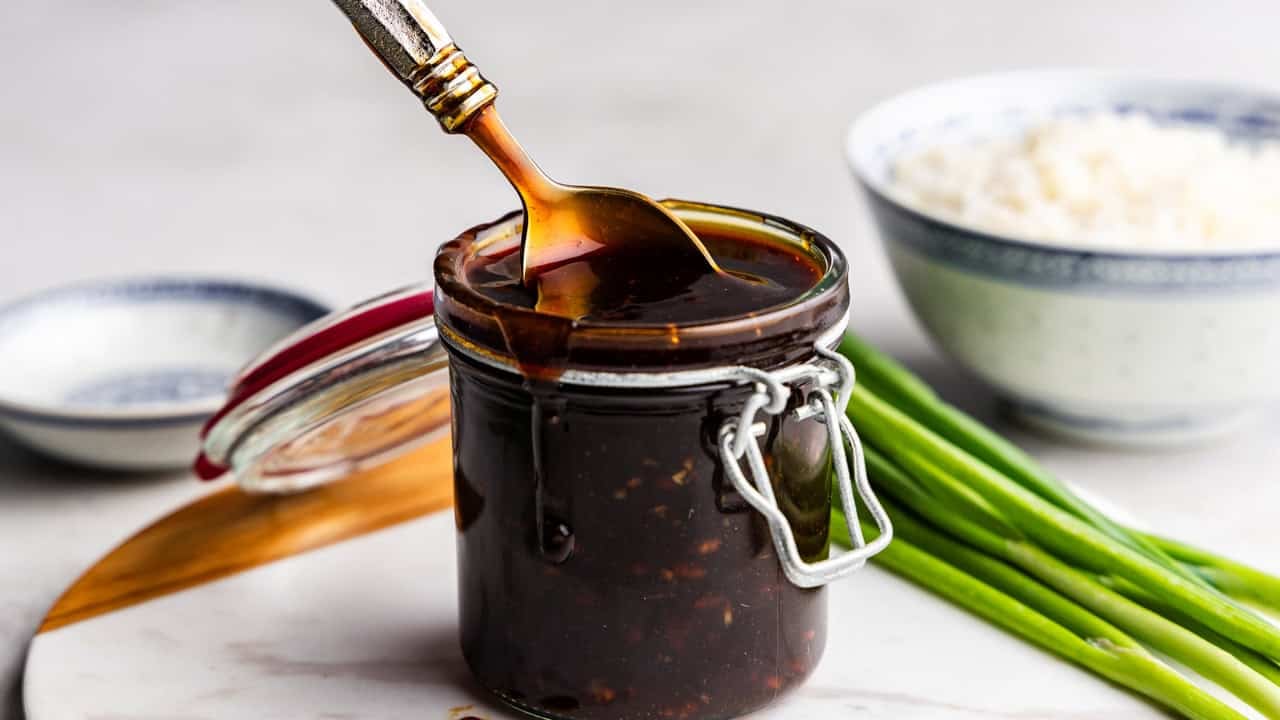
Unlock a world of umami-rich flavors right in your own kitchen by mastering the art of homemade teriyaki sauce. Far superior to its store-bought counterparts, a scratch-made teriyaki offers unparalleled depth, freshness, and the satisfaction of knowing exactly what goes into your meals. This iconic Japanese sauce, with its signature glossy sheen and irresistible sweet-savory profile, is not just a condiment; it's a culinary cornerstone that can transform everyday ingredients into extraordinary dishes. Forget the artificial flavors and preservatives; our comprehensive guide will walk you through a simple, yet profoundly flavorful, recipe for homemade teriyaki sauce, complete with essential storage tips and versatile usage ideas.
Unveiling the History & Essence of Teriyaki
Before we dive into the recipe, let's appreciate the rich heritage behind the word "teriyaki." More than just a sauce, "teriyaki" originally referred to a distinctive style of Japanese cooking. The term itself is a fascinating blend of two Japanese words: "teri," derived from "tare" (meaning luster or glaze), aptly describing the beautiful, glossy sheen the sauce imparts to food, and "yaki," which translates to cooking over direct heat, such as grilling or broiling. This fundamental cooking concept also appears in other well-known Japanese dishes like yakisoba, yakitori, and teppanyaki.
The origins of teriyaki cooking stretch back to at least the early 19th century, during Japan's late Edo period. Historical records indicate that a glaze made from soy sauce, mirin, and sake was already in use for charcoal-baked eel, even before the specific term "teriyaki" was coined. This highlights the deep, inseparable connection between the sauce and the cooking method it defines. The luster, cooking style, and profound Japanese roots of teriyaki are what make it such a cherished part of global cuisine.
Traditionally, the distinct "gloss" of teriyaki comes primarily from mirin, a sweet, syrupy rice wine, complemented by soy sauce and sake (another type of rice wine). While Western adaptations often simplify these ingredients, understanding the traditional components enriches your appreciation and can inspire adjustments to your homemade version.
Why Homemade Teriyaki Sauce Reigns Supreme
The allure of homemade teriyaki sauce is undeniable. Once you experience the vibrant, complex flavors of a sauce made from scratch, you'll likely never want to return to the bottled varieties:
- Superior Taste & Freshness: Store-bought sauces often contain high-fructose corn syrup, artificial colors, and excessive sodium. Your homemade version, made with fresh, quality ingredients, will burst with authentic flavors that are both clean and deeply satisfying.
- Customization at Your Fingertips: Love a hint of spice? Crave more garlic? Prefer it less sweet? Making your own allows you to fine-tune the balance of sweet, savory, and tangy notes to perfectly suit your palate. You can adjust the type and amount of sweetener, experiment with different soy sauces, or add your favorite aromatics.
- Pantry Staples & Cost-Effective: You likely already have most of the ingredients—soy sauce, sugar, water, cornstarch—in your pantry. This makes homemade teriyaki an incredibly economical choice compared to specialty store-bought options.
- Healthier Alternative: By controlling the ingredients, you can significantly reduce sugar, sodium, and avoid unwanted additives, making your teriyaki a healthier choice for your family.
- Impressive Versatility: A good homemade teriyaki is a multi-tasking hero, functioning as a marinade, glaze, stir-fry sauce, or even a dipping condiment.
Your Go-To Recipe for Masterful Homemade Teriyaki Sauce
This recipe is designed to be straightforward, using easily accessible ingredients while capturing the essence of authentic teriyaki. You'll be amazed at how quickly you can create this culinary magic.
Ingredients You'll Need:
While traditional Japanese teriyaki uses sake and mirin, our recipe offers a versatile approach, leaning towards a Western-friendly blend that still delivers incredible flavor. For those seeking a more authentic touch, notes on incorporating sake and mirin are included.
- ½ cup Soy Sauce: Choose a good quality, low-sodium soy sauce for better control over saltiness. For a gluten-free option, use tamari.
- ½ cup Water: Or, for deeper flavor and more traditional sweetness, substitute with equal parts mirin (sweet rice wine) and/or sake (Japanese rice wine) for part of the water.
- ¼ cup Brown Sugar: Packed. You can also use granulated sugar, honey, or maple syrup. Adjust to your desired sweetness.
- 1 tablespoon Rice Vinegar: Adds a subtle tang that balances the sweetness and savory notes.
- 1-2 cloves Garlic: Minced, or grated.
- 1 teaspoon Fresh Ginger: Grated, or minced.
- 1 tablespoon Cornstarch: The thickening agent.
- 2 tablespoons Cold Water: To create a cornstarch slurry.
- Optional additions: A dash of toasted sesame oil for nutty aroma, a pinch of red pepper flakes for heat.
Step-by-Step Instructions:
- Combine & Dissolve: In a medium saucepan, combine the soy sauce, ½ cup water (or mirin/sake), brown sugar, rice vinegar, minced garlic, and grated ginger. Place the saucepan over medium heat, stirring continuously until the sugar is completely dissolved. Bring the mixture to a gentle simmer.
- Prepare the Slurry: In a small separate bowl, whisk together the 1 tablespoon of cornstarch with the 2 tablespoons of cold water until smooth and no lumps remain. This is your cornstarch slurry.
- Thicken the Sauce: Once the sauce in the saucepan is simmering gently, gradually pour the cornstarch slurry into the sauce while whisking continuously. Continue to simmer over medium-high heat, whisking frequently, for about 1-2 minutes, or until the sauce thickens to your desired consistency. It should be thick enough to coat the back of a spoon.
- Adjust & Enjoy: Taste the sauce and adjust seasonings if necessary. If it's too thick, add a tablespoon of water; if too thin, mix a tiny bit more cornstarch with water and add it in. Remove from heat.
Chef's Tip: For an even richer flavor, you can sauté the minced garlic and ginger in a little oil for a minute before adding the other liquid ingredients. This toasts the aromatics and releases their full potential.
Storage & Shelf Life: Keeping Your Teriyaki Fresh
One of the best advantages of homemade teriyaki sauce is its make-ahead convenience. Proper storage ensures you always have this versatile sauce ready to go:
- Refrigeration: Once cooled completely, transfer your homemade teriyaki sauce to an airtight container or a clean jar. Store it in the refrigerator for up to one week.
- Freezing for Longer Storage: For extended freshness, teriyaki sauce freezes beautifully. Pour the cooled sauce into freezer-safe containers, ice cube trays, or heavy-duty freezer bags. It can be frozen for up to 3 months. Thaw overnight in the refrigerator or gently reheat from frozen on the stovetop or in the microwave.
- Reheating: Before use, especially if it has thickened further in the fridge, gently warm the sauce. A minute or so in the microwave or a few minutes on the stovetop over low heat, stirring frequently, will restore its smooth consistency and bring out its flavors.
Unleash the Versatility: How to Use Your Homemade Teriyaki Sauce
With your fresh batch of homemade teriyaki sauce, the culinary possibilities are endless. This sauce is incredibly versatile and can elevate a wide array of dishes.
Classic Applications:
- Glaze for Proteins: This is arguably its most famous application. Use it to baste grilled or pan-seared chicken, salmon, beef, or even tofu. Brush the sauce on in the final stages of cooking to create that iconic, glossy "teri" finish and prevent the sugar from burning. Traditional Japanese cuisine often pairs teriyaki with fatty seafood like tuna, yellowtail, or eel, while Western preferences frequently gravitate towards teriyaki salmon, chicken, and beef.
- Marinade: Prior to cooking, marinate your chosen protein in the teriyaki sauce for at least 30 minutes, or up to several hours in the refrigerator, to infuse it with deep flavor.
- Stir-Fry Sauce: A perfect addition to any stir-fry. Toss it with your favorite vegetables and proteins (chicken, shrimp, beef, or tempeh) for a quick and flavorful meal over rice or noodles.
Beyond the Basics:
- Dipping Sauce: While primarily a cooking sauce, homemade teriyaki makes a fantastic dipping sauce for potstickers, spring rolls, chicken nuggets, or even vegetable sticks.
- Flavor Booster: Whisk it into rice bowls, noodle salads, or even as a unique base for a salad dressing (when slightly diluted).
- Sandwich/Wrap Spread: A light brush of teriyaki on bread or a tortilla can add an exciting twist to your lunch.
The tip from celebrated chef Shizuo Tsuji – adding the sauce in the late stages of cooking, especially in a frying pan – is crucial for achieving that beautiful, shiny glaze without burning the sugar in the sauce. This method coats your ingredients with color and flavor perfectly.
Conclusion
Embracing the simplicity and incredible flavor of homemade teriyaki sauce is a game-changer for any home cook. From its rich historical roots as a cooking style to its modern-day versatility as a beloved glaze and marinade, teriyaki stands as a testament to the power of well-balanced flavors. With our easy-to-follow recipe and practical storage tips, you're now equipped to create a sauce that will not only impress your taste buds but also provide a healthier, customizable alternative to store-bought options. So, ditch the bottle, gather your pantry staples, and get ready to infuse your meals with the authentic luster and irresistible taste of homemade teriyaki. Your culinary adventures are about to get a whole lot more delicious!
