Traditional Teriyaki vs. Western: A Global Culinary Showdown
Few flavors conjure images of savory-sweet perfection quite like teriyaki sauce. From sizzling chicken skewers to glazed salmon, its distinctive taste has captured palates worldwide. Yet, what many people in the West consider teriyaki often differs significantly from its Japanese origins. This iconic sauce boasts a rich history and a fascinating evolution, shaped by centuries of tradition and modern culinary adaptations. Join us as we delve into the world of teriyaki, comparing the authentic Japanese approach with its popular Western interpretations, exploring their unique ingredients, flavor profiles, and diverse uses.
Understanding the Essence: What is Teriyaki?
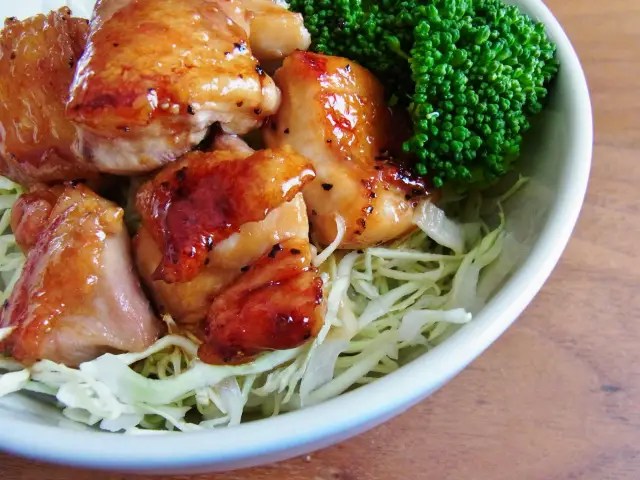
To truly appreciate the nuances, we must first understand the fundamental concept behind "teriyaki." The term itself is a portmanteau of two Japanese words: "teri" and "yaki." "Teri" comes from tare, a broader category of Japanese sauces, and describes the beautiful, glossy luster or glaze that coats the food. This characteristic sheen is a hallmark of perfectly cooked teriyaki dishes. "Yaki," on the other hand, refers to the cooking method – typically grilling, pan-frying, or roasting over direct heat. Thus, "teriyaki" originally denoted a style of cooking where meat or fish was basted with a sweet and salty sauce and cooked to achieve a glazed finish.
Historically, this method dates back to at least the early 19th century in Japan, where a similar glaze of soy sauce, mirin, and sake was used for charcoal-baked eel long before the term "teriyaki" became widespread. It’s crucial to understand that in traditional Japanese cuisine, the sauce and the cooking method are intrinsically linked; one does not exist without the other. The concept is beautifully explored in Decoding Teriyaki: Its Japanese Roots, Luster & Cooking Style, highlighting its profound cultural significance.
Traditional Japanese Teriyaki: Ingredients & Authentic Application
The authentic Japanese teriyaki sauce is a masterpiece of balance and simplicity, relying on a few core ingredients to achieve its profound depth of flavor. These staples create a harmony that is salty, sweet, and rich in umami.
- Soy Sauce (Shoyu): The foundation of teriyaki, providing its characteristic saltiness and depth. Traditionally, a good quality Japanese dark soy sauce is preferred.
- Mirin: This syrupy, sweet rice wine is perhaps the most critical ingredient for the "teri" (luster). Mirin provides the distinctive sweetness, delicate tang, and glossy sheen that defines teriyaki. Its natural sugars caramelize beautifully when heated, contributing to the glaze.
- Sake: A dry Japanese rice wine, sake adds a subtle complexity, depth, and a hint of umami. It also helps tenderize proteins and carries other flavors.
- Sugar: While mirin provides sweetness, a small amount of granulated sugar is often added to enhance the sweet-savory balance, though typically less than what you’d find in Western versions.
Unlike many Western adaptations, traditional Japanese teriyaki sauces rarely include thickeners like cornstarch. Instead, the sauce is reduced slowly, allowing the natural sugars from the mirin to concentrate and thicken the sauce to a syrupy consistency, creating that desired glaze.
Traditional Uses: Embracing the "Yaki"
In Japan, the preferred canvas for teriyaki is often fatty seafood. Fish like tuna, yellowtail (hamachi), and eel (unagi) are favored because their natural oils complement the salty-sweet glaze perfectly. These are typically grilled over charcoal, basted with the sauce in the later stages of cooking. Applying the sauce towards the end prevents the sugars from burning too quickly while still allowing them to caramelize and form that beautiful, flavorful crust. This method ensures the ingredients are thoroughly coated with color and flavor without becoming scorched. While skewers over an open fire were once common, charcoal grills now serve the same purpose, honoring the "yaki" component of the name.
The Western Teriyaki Transformation: New Flavors & Wider Uses
As teriyaki sauce traveled beyond Japan, it began to evolve, adapting to local palates, available ingredients, and culinary trends. The Western interpretation of teriyaki often diverges from the traditional formula, resulting in a sauce that is distinctly different in flavor and application.
Evolving Ingredients: A Broader Palate
The most significant changes in Western teriyaki involve its ingredient list:
- Omission or Substitution of Sake and Mirin: Sake is frequently omitted entirely from Western recipes, partly due to its alcohol content and sometimes its availability. Mirin, while often present, might be replaced or supplemented with less authentic substitutes like rice vinegar mixed with sugar, or simply more sugar.
- Additional Aromatics: Western versions commonly introduce robust aromatics such as minced garlic, minced ginger, and often toasted sesame oil. These additions create a bolder, more assertive flavor profile that appeals to many Western tastes.
- Increased Sweetness: Western teriyaki often contains a significantly higher proportion of sugar, or other sweeteners like honey or brown sugar, resulting in a much sweeter sauce than its Japanese counterpart.
- Thickeners: To achieve a quick, viscous sauce without prolonged reduction, cornstarch slurry is a very common addition in Western teriyaki recipes. This creates a thicker sauce that adheres readily to food.
Popular Western Uses: Beyond Grilling
With its adapted flavor profile, Western teriyaki has found a myriad of uses that extend far beyond traditional Japanese grilling:
- Versatile Glaze and Marinade: It's popularly used as a marinade for longer periods, tenderizing and infusing flavor into various proteins. It also serves as a fantastic glaze for oven-baked or pan-seared dishes.
- Chicken, Beef, and Salmon: While traditional teriyaki favors fatty fish, Western adaptations are most famously paired with chicken (teriyaki chicken bowls are a staple!), beef, and salmon.
- Stir-fries and Vegetable Dishes: Its robust flavor makes it an excellent addition to quick stir-fries with vegetables, tofu, or noodles, adding an instant umami punch.
- Dipping Sauce: Though traditional teriyaki is primarily a cooking sauce, not a table sauce, Western versions are frequently used as a condiment or dip for appetizers like potstickers, spring rolls, or even as a flavorful dressing. This highlights a cultural shift in how the sauce is perceived and enjoyed.
Crafting Your Own Teriyaki: A Culinary Journey
Whether you lean towards the refined subtlety of traditional Japanese teriyaki or the bold flavors of its Western cousin, crafting your own teriyaki sauce at home is a rewarding experience. It gives you complete control over ingredients, allowing you to tailor the sweetness, saltiness, and aromatic notes to your exact preference, all while avoiding the artificial additives often found in store-bought versions.
For a traditional approach, focus on the purity of soy sauce, mirin, sake, and a touch of sugar. Slowly reducing these ingredients on medium heat until the sugar dissolves and the sauce thickens naturally will yield a nuanced, glossy glaze perfect for grilled fish. If you prefer a Western-style sauce, start with soy sauce, add a generous amount of sugar (or honey), then infuse it with minced garlic and ginger. A cornstarch slurry (1/2 tablespoon cornstarch mixed with 1 tablespoon water) can be whisked in at the end while simmering to achieve that desired thickness quickly.
Homemade teriyaki is incredibly versatile. Beyond the classic chicken, beef, or salmon, experiment with glazing roasted vegetables like broccoli or asparagus, tossing it with pan-fried tofu, or even creating a flavorful base for a noodle bowl. The possibilities are endless, limited only by your imagination!
A fantastic guide for preparing and storing your homemade creation can be found in Master Homemade Teriyaki Sauce: Simple Recipe & Storage Tips. Remember, homemade sauce can be stored in an airtight container in the refrigerator for up to a week, making it a convenient staple for quick weeknight meals.
Ultimately, both traditional Japanese and Western teriyaki sauce offer unique culinary experiences. The Japanese version celebrates balance, a refined luster, and an integral link to its grilling heritage. The Western adaptation, born from cross-cultural exchange, embraces bolder flavors and wider applications, making it a versatile condiment for diverse dishes. Understanding these differences allows us to appreciate the rich tapestry of this global flavor. Whether you prefer the authentic essence or the modern interpretation, teriyaki remains a beloved sauce that continues to inspire delicious meals around the world.
